
CargoMode
Articles
Practical guides and insights for freight forwarders navigating the shift to automated logistics.
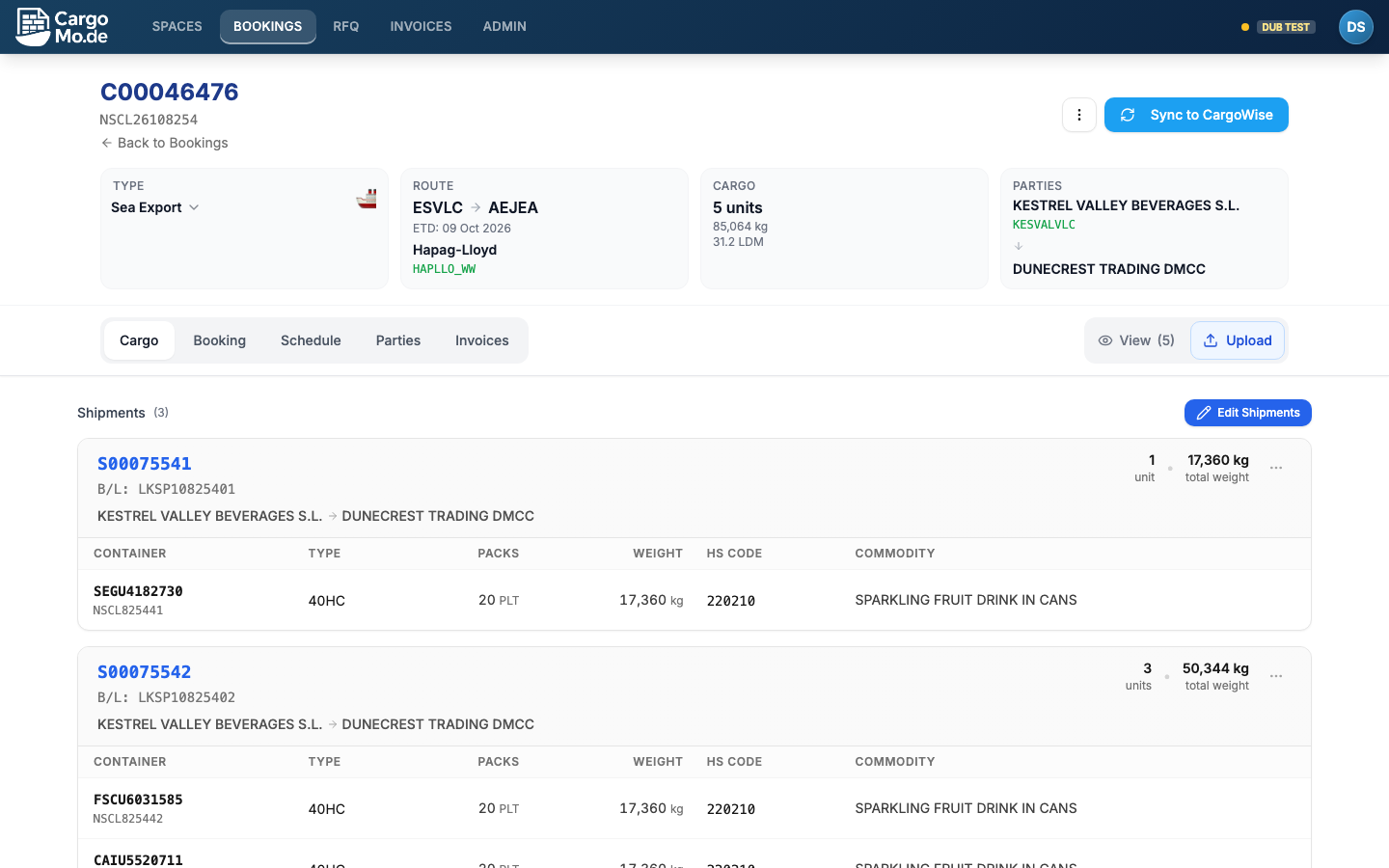
RFQ Automation Software: A Buyer's Comparison Framework
A framework for comparing RFQ automation tools for freight forwarders: parsing, marketplace rates and templates, scored against your own quote volume.
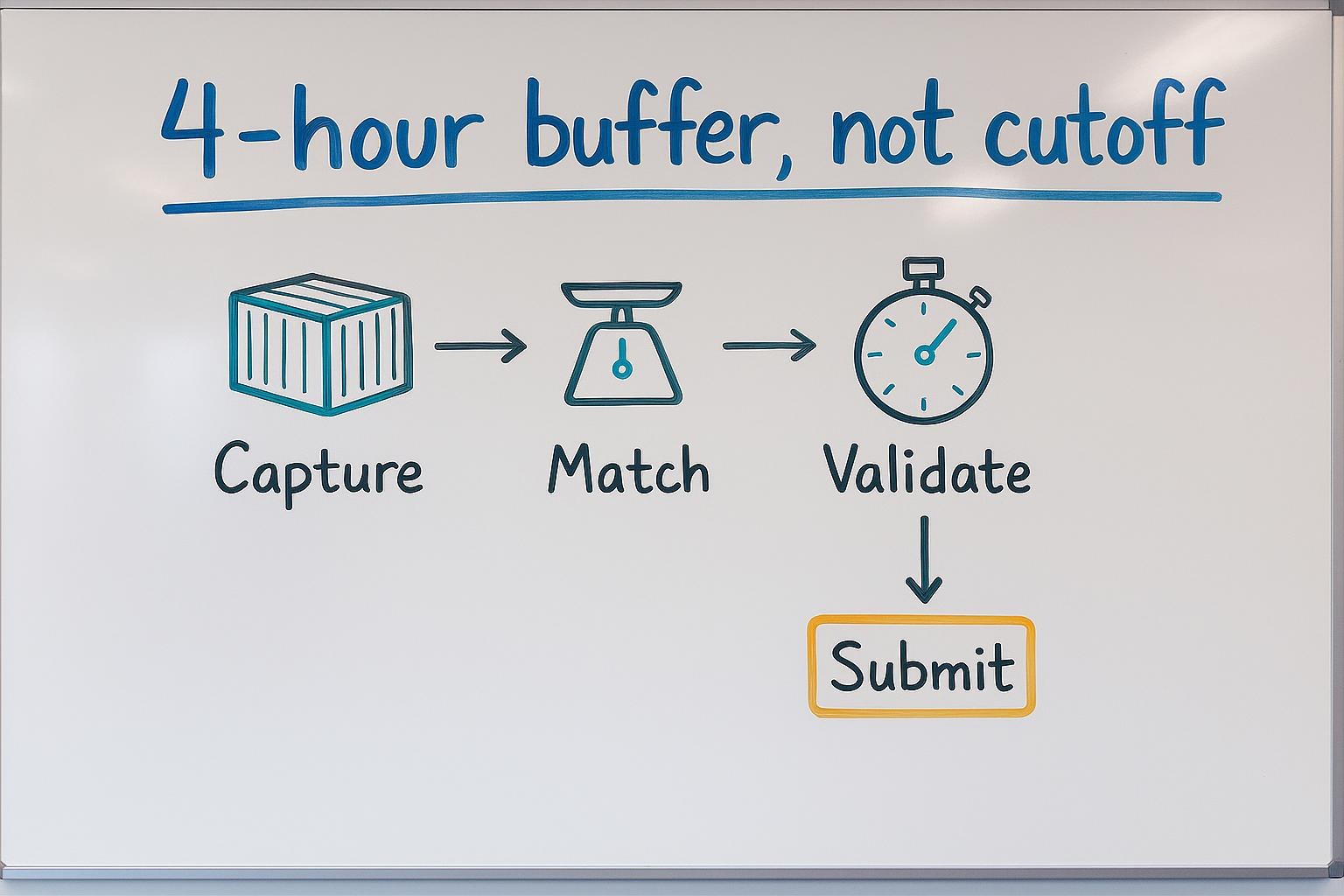
How to Automate VGM Submission for Container Shipping
A step-by-step workflow for automating VGM capture, matching, submission and exception handling, with the code and logic you can build from today.

Container Tracking Without the Spreadsheet: Keeping Every Box Visible
How container tracking data really moves between carriers, AIS and terminals, why statuses contradict, and how to monitor boxes without a spreadsheet.
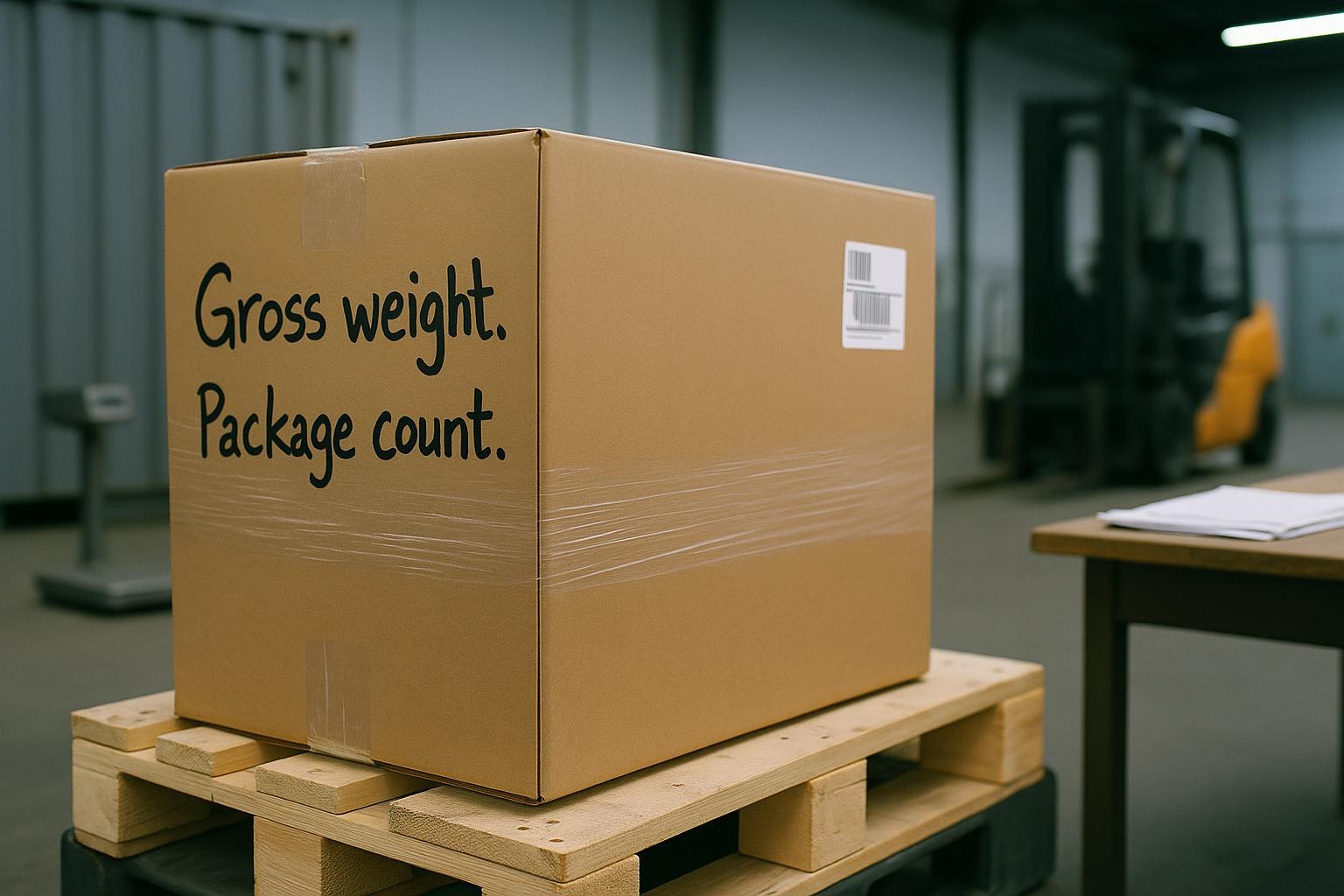
Automating Packing List and Bill of Lading Data Entry
A worked example of extracting packing list and bill of lading fields, the operator review step, and where the output actually has to go.

CargoWise Reporting: Shipment Costs, Missing Charges and Useful KPIs
A worked example of a trustworthy CargoWise shipment-cost report: separating job costs from posted accounts, tracking missing values and picking KPIs that hold up.
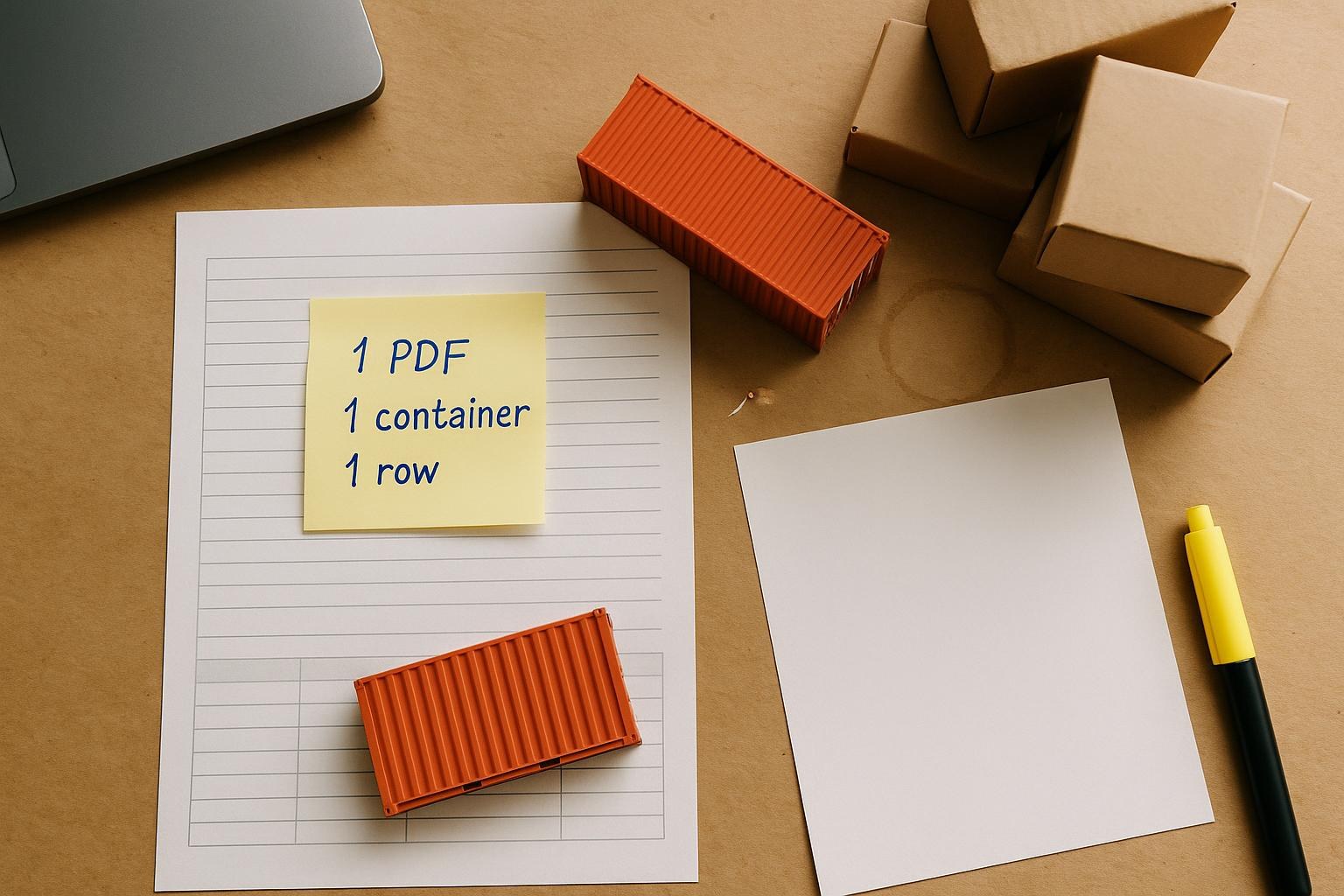
Where Freight Data Leaks: Five Gaps Between Email and TMS
Five specific places shipment data degrades between inbox and TMS, with the mechanism behind each leak and the defence that actually closes it.

HS Code 6910: Classifying Ceramic Sinks, Basins and Sanitary Ware
A practical guide to HS heading 6910 for ceramic sanitary fixtures, covering the 6910.10 vs 6910.90 split and common material mix-ups.

The Electronic Bill of Lading in 2026: What's Blocking Adoption
Why paper bills of lading still dominate in 2026, what DCSA standards actually change, and a pragmatic checklist for going eBL without risk.

HS Code for Bearings: The Complete 8482 Classification Guide
A working guide to HS heading 8482 for ball and roller bearings — subheadings, the bushing trap, and how to check your classification before customs does.
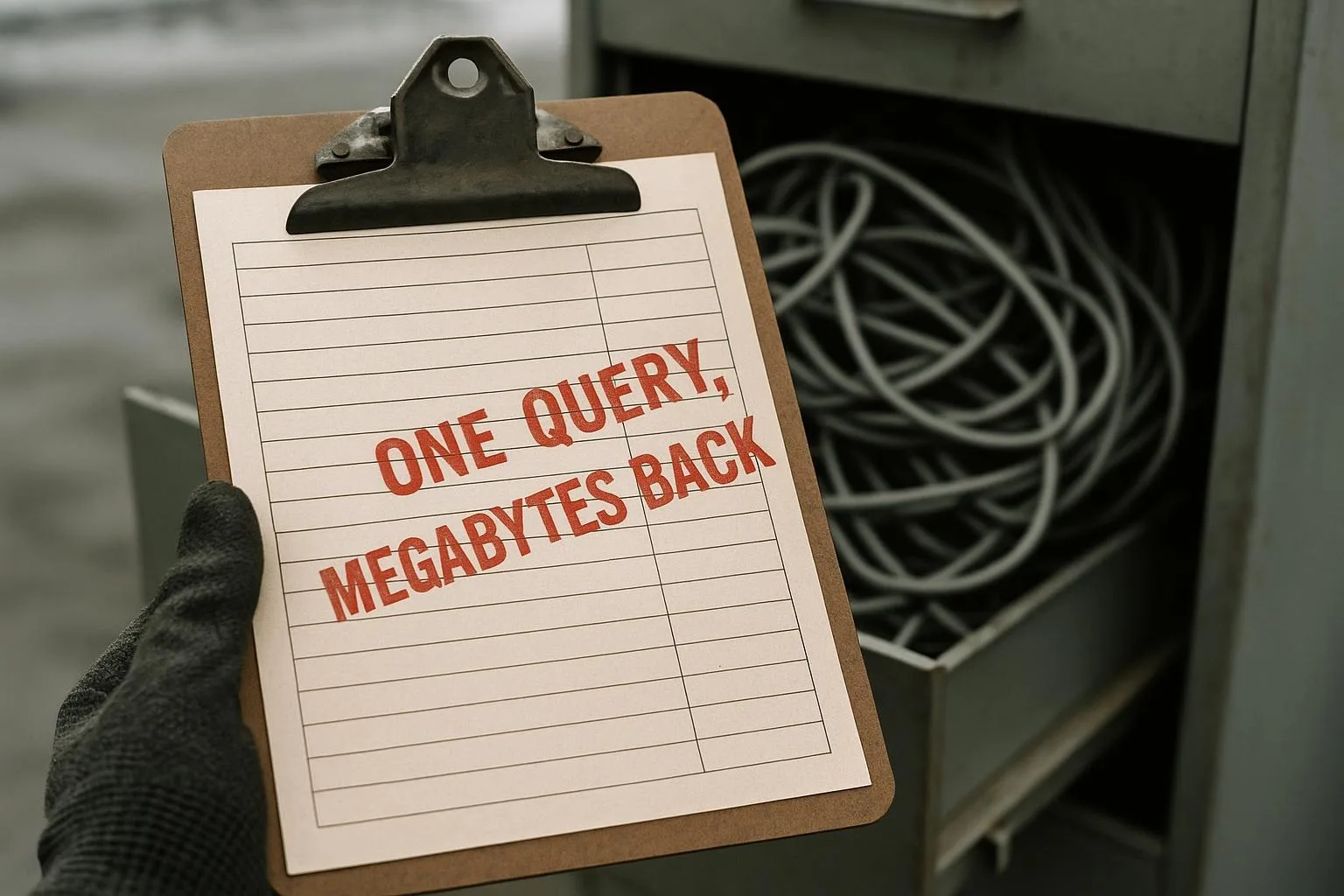
Getting Clean Data OUT of CargoWise Is Harder Than Putting It In
Preserve charge rows, separate currencies and reconcile CargoWise reports. Volume 3 is available with documented retrieval templates and runnable examples.

CargoWise Invoice Review: A Value Pack Billing Checklist
Review a CargoWise invoice against usage records, transaction categories, currencies, credit notes and customer recovery with a repeatable checklist.

API-Created CargoWise Jobs Skip the Defaults. Nobody Tells You.
Jobs created via eAdapter do not inherit the org/UNLOCODE defaults the CW UI applies. The defaults engine with four-tier precedence that closes the gap — including when NOT sending a field is the right move.

The CargoWise Milestone Completed. The Message Never Fired.
CW only sends outbound messages when a milestone carries a Completion Trigger Action. Why the most dangerous outbound failure isn't a failure at all — and the trigger map that prevents it.

How to Test CargoWise Integrations Without Testing in Production
Test environments are hard to get in the CW world — so teams test in prod. Push back: the test company, version-controlled fixtures, and the replay harness that turns every failure into a regression test.

Our CargoWise Sync Needed 33 Seconds. Netlify Killed It at 26.
A real production postmortem: three sequential eAdapter calls vs a serverless wall-clock limit — and the timeout budgets, endpoint splitting, and partial-failure flags that fixed it.
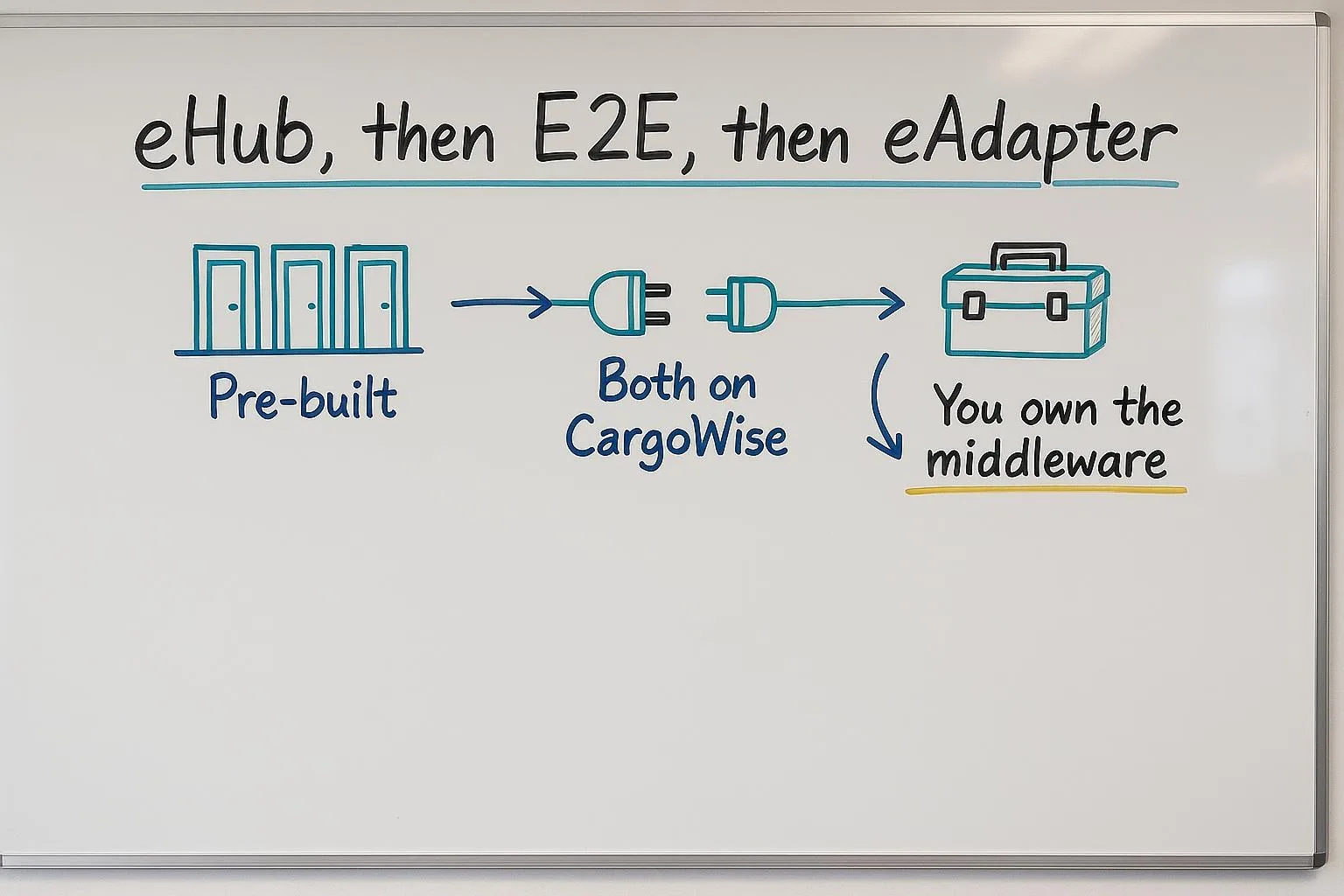
CargoWise Integration Options Compared: eHub vs E2E vs eAdapter (2026)
CargoWise offers three integration paths — eHub, E2E Messaging, and eAdapter. Here is the decision table, real cost data, and why the best eAdapter integration is often the one you never build.

You Sent XML to CargoWise. It Said Nothing Back. Now What?
The eAdapter returns a tracking UUID, not a result — real message status lives in the CW EDI Interchange. How to build the exception dashboard that finds dead messages before your customer does.
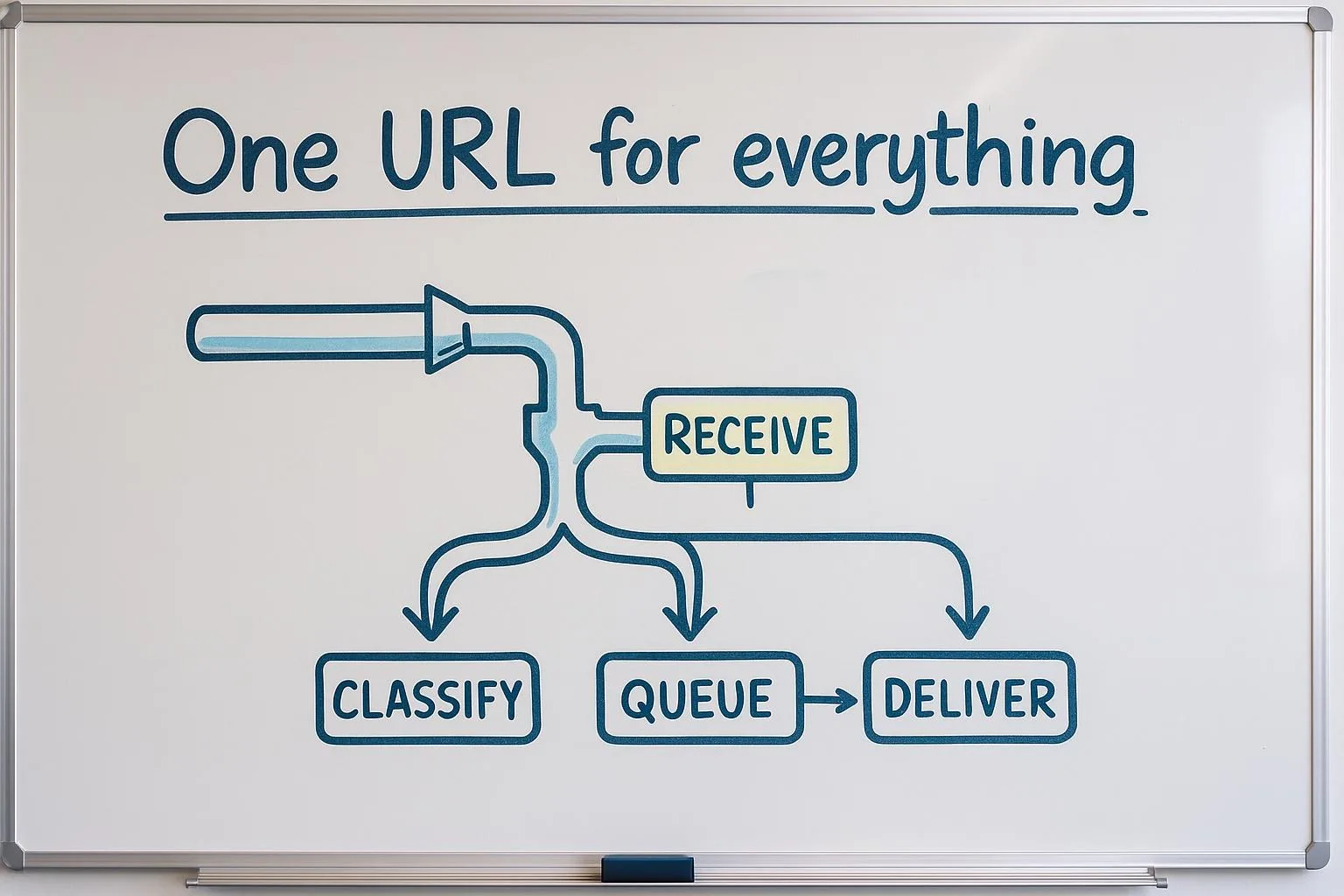
CargoWise Will Only Send Outbound Messages to ONE URL. Here's the Fix.
The eAdapter Outbound Service accepts exactly one endpoint for everything your instance emits. The relay architecture every multi-system shop ends up building — explained.

How to Search Organisations in CargoWise via eAdapter (The Missing Guide)
Organisation search in CargoWise requires Native XML, not Universal XML. Here's the search-after-create pattern and why org code assignment makes it necessary.

CargoWise eAdapter DataContext Rules: The Guide Nobody Wrote
Understanding parent-level vs SubShipment DataContext rules is the difference between a working eAdapter integration and hours of debugging cryptic validation errors.

Decoding CargoWise ProcessingLog Errors: Why HTTP 200 Doesn't Mean Success
CargoWise eAdapter returns HTTP 200 even when your operation fails. Here's how to actually detect errors, parse the ProcessingLog, and stop losing data silently.

Three forces reshaping freight forwarding in 2026
From Hapag-Lloyd's smart container fleet and the eBL tipping point to the CargoWise pricing revolt, the forwarding technology landscape is undergoing a fundamental shift.
CargoWise Value Pack Pricing: What the $19.95 Shipment Means
Understand CargoWise Community Pricing, eligible transactions, pack inclusions and optional charges, with a dated USD example and official sources.